
Trained Under Two Masters From Different Nations. The Result Reshaped Northwest Coast Art.
Larry Rosso spent four decades bridging Carrier tradition and Kwakwaka'wakw and Haida formline - and left work in collections most artists only dream of

Dear reader,
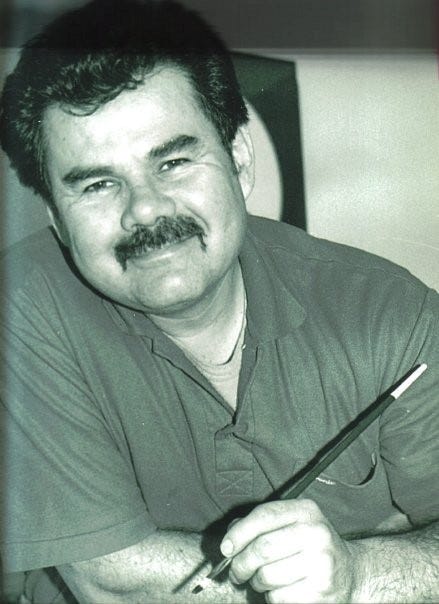
Larry Rosso (1944–2006) was a Dakelh (Carrier) artist who adeptly merged his Athabaskan roots with Northwest Coast formline traditions in carving, painting, and printmaking.
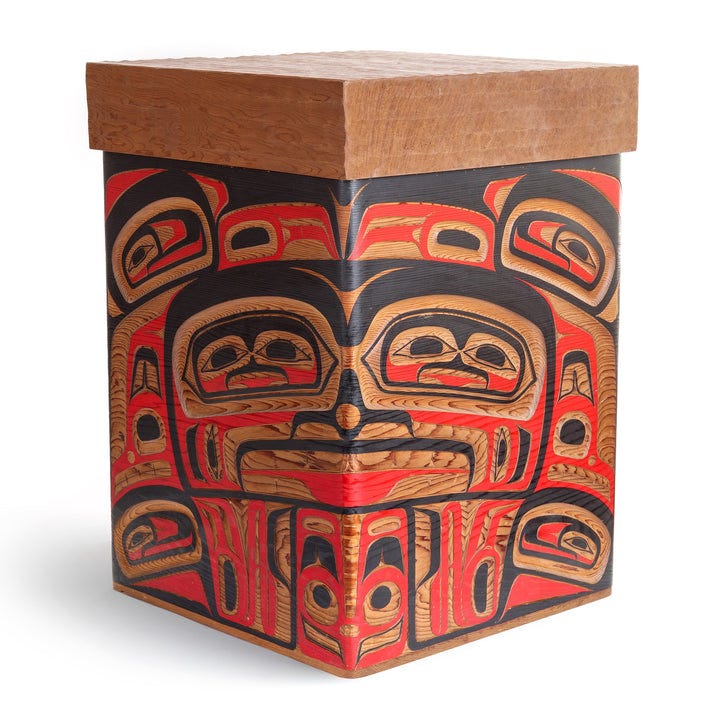
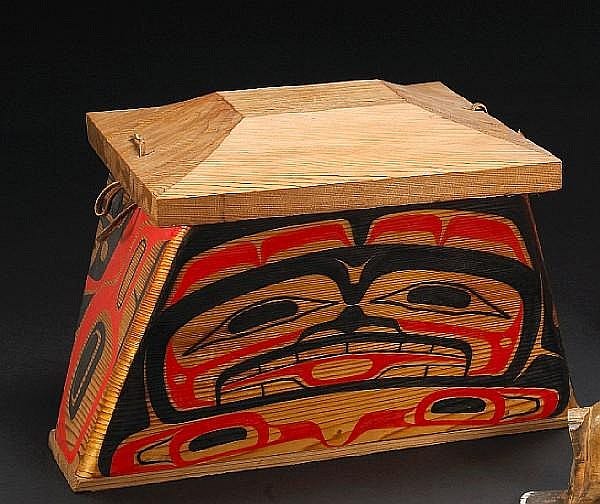
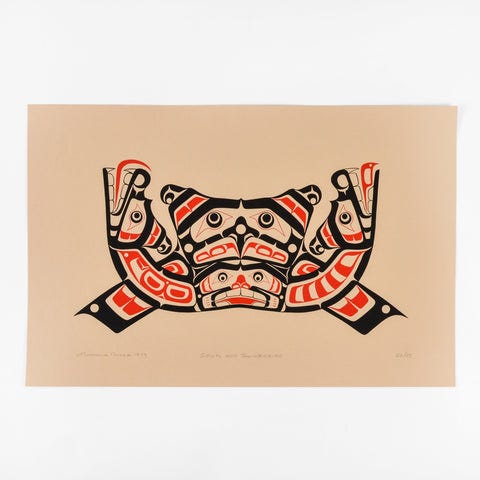
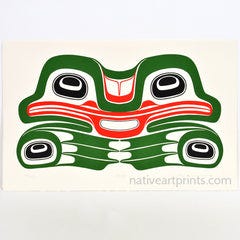
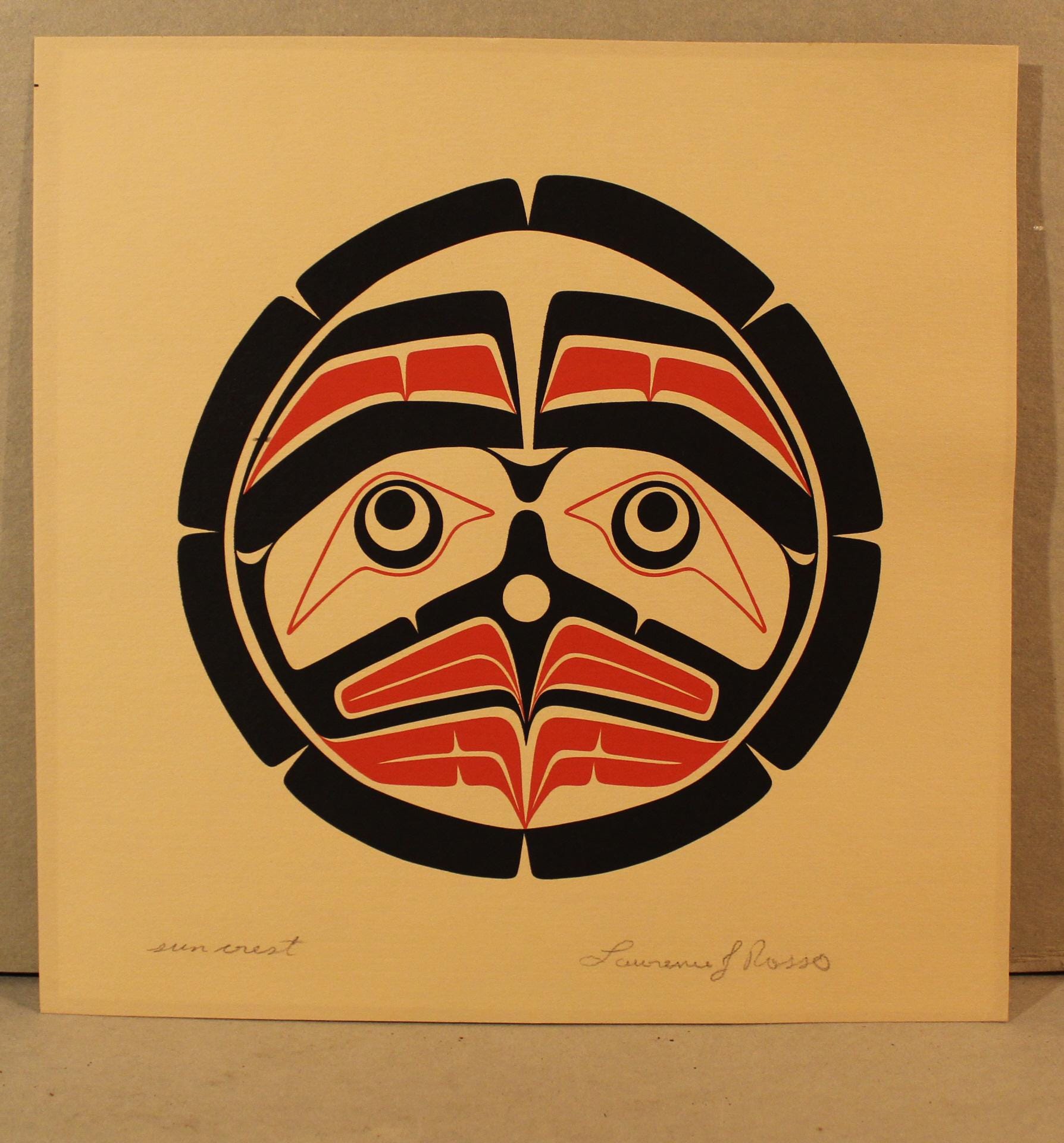
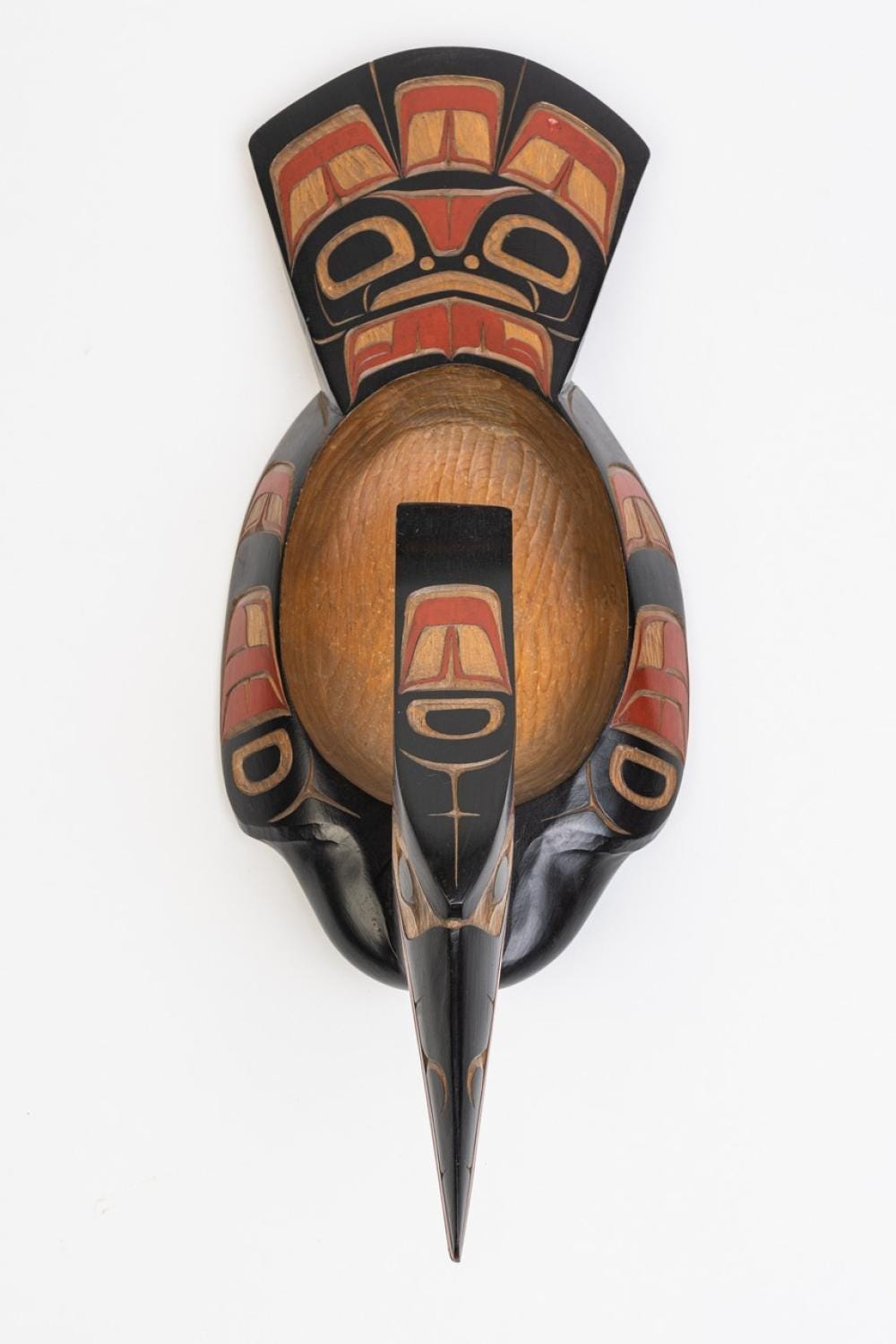
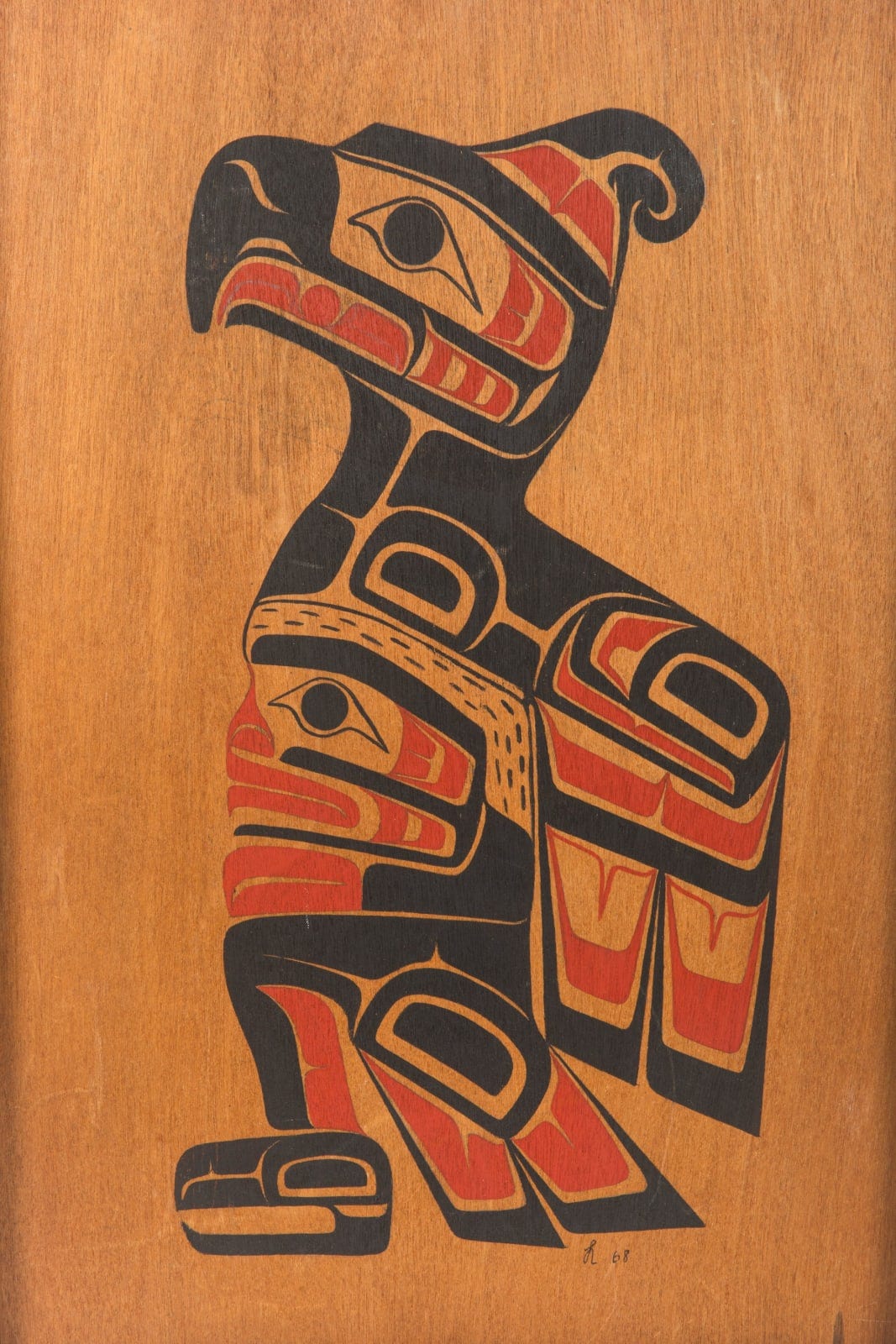
Over a career spanning nearly four decades, he produced bentwood boxes, masks, feast bowls, serigraph prints, and original paintings in oil, acrylic, and watercolor, securing his place in major public and private collections.
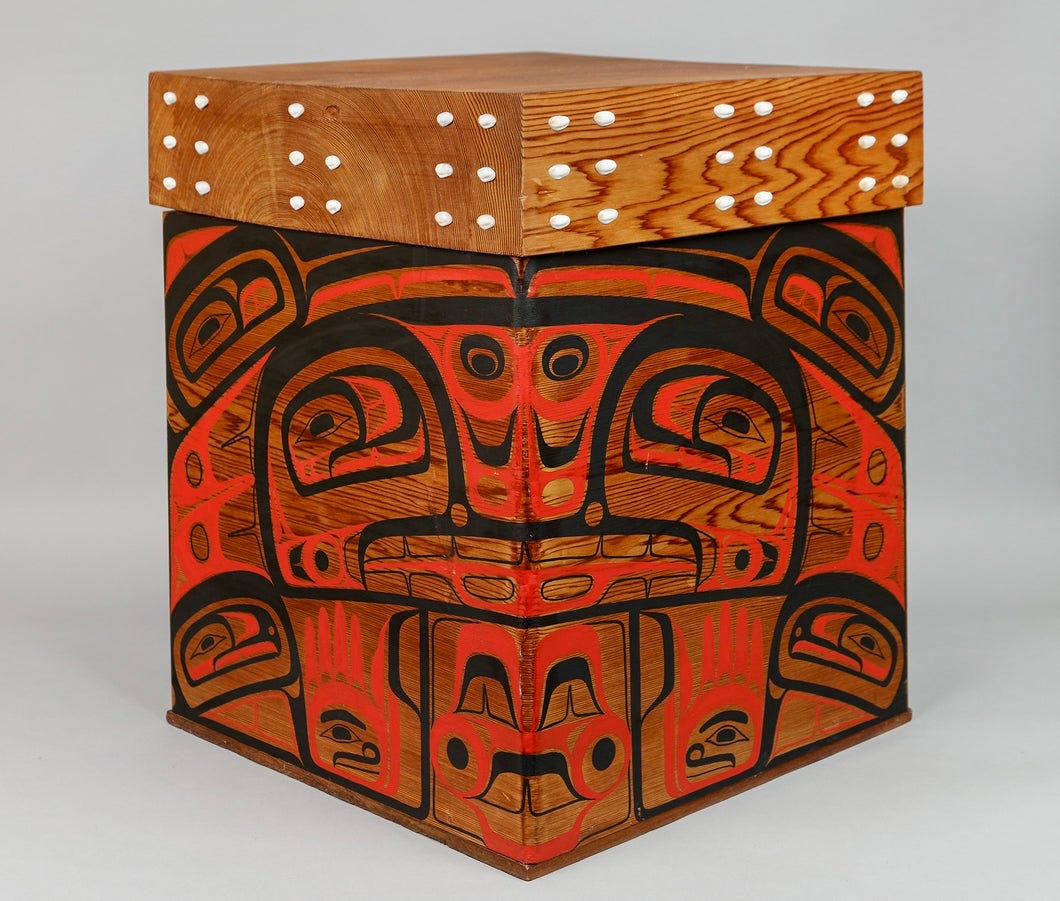
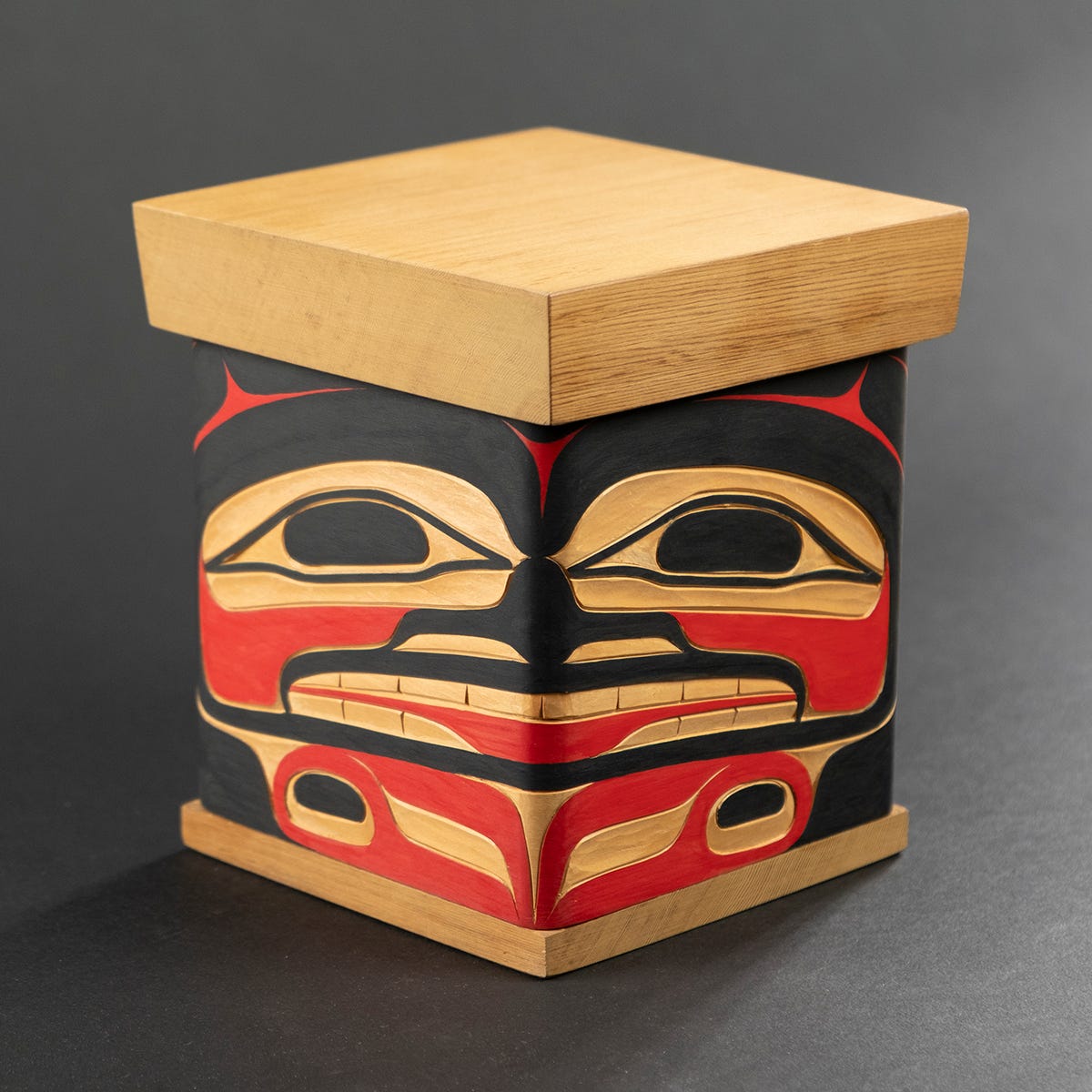
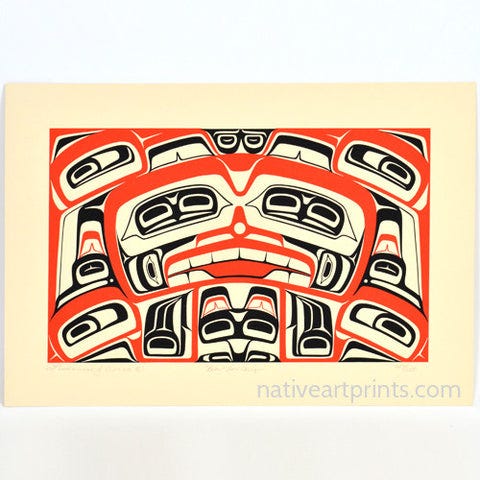
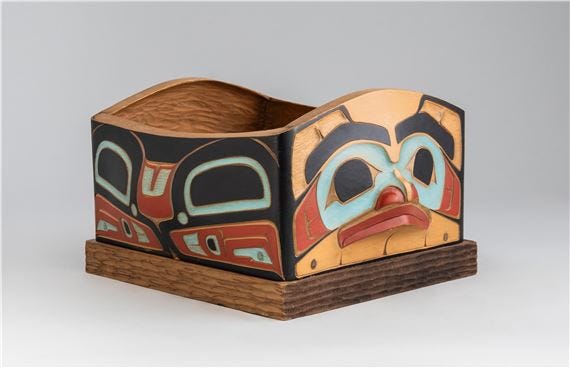
Rosso’s multidisciplinary practice and mentorship under leading Northwest Coast masters positioned him as a pivotal figure in British Columbia’s Indigenous art renaissance.
Early Life and Influences
Rosso was born in 1944 in Burns Lake, BC, on the traditional territory of the Carrier Nation, where he absorbed local storytelling traditions and material culture from an early age.
In the late 1960s, he apprenticed under Kwakwaka’wakw master Doug Cranmer, mastering formline design principles that would become central to his aesthetic vocabulary.
A subsequent collaboration in 1987–88 with Haida master Robert Davidson deepened Rosso’s carving techniques, resulting in a three-year apprenticeship that refined his command of coastal motifs.
Artistic Practice and Style
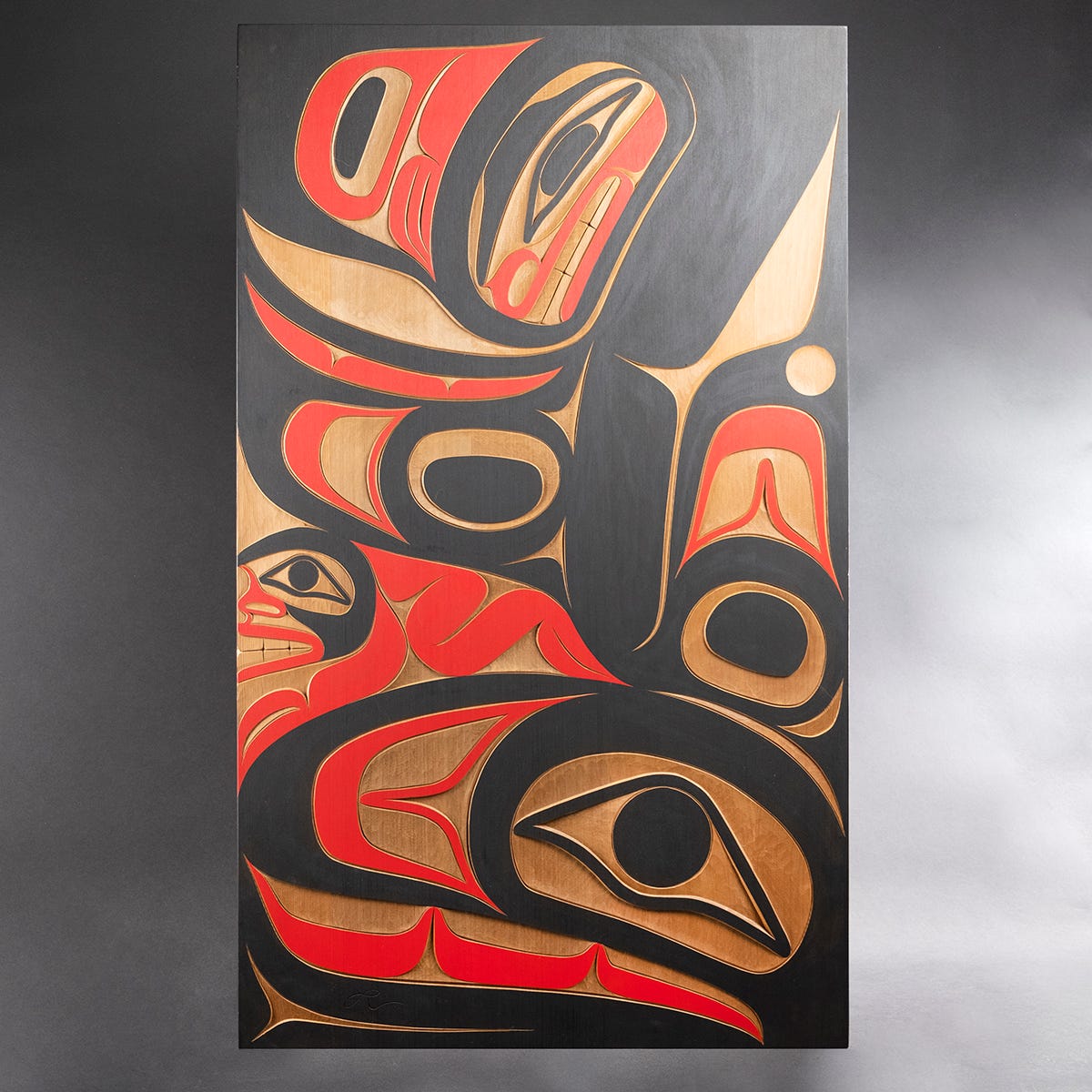
Rosso’s oeuvre blended the bold ovoids, u-forms, and negative-space interplay characteristic of Northwest Coast art with traditional Carrier designs, reimagining feast bowls, wall panels, and masks through this cross-cultural lens.
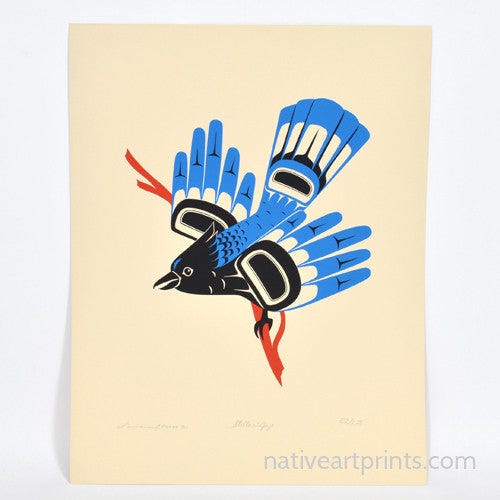
He founded Northwest Coast Screencrafts (1976) Ltd., specializing in limited-edition serigraphs for peers like Roy Vickers and Robert Davidson, showcasing abstraction and meticulous line work.
His paintings and prints often toggle between vibrant palettes and restrained monochromes, reflecting both Athabaskan symbolism and coastal aesthetic dynamism.
Legacy and Impact
Rosso’s carvings and prints grace institutions like the UBC Museum of Anthropology and Vancouver International Airport, amplifying Indigenous presence in civic spaces.
He premiered his first solo exhibition at the Douglas Reynolds Gallery in 1999 and remained a champion for emerging Northwest Coast artists through serigraph collaborations and mentorship.
By fusing Carrier motifs with coastal formline, Rosso sparked a dialogue between Athabaskan and Kwakwaka’wakw visual languages that continues to inspire contemporary Indigenous creators.
Larry Rosso’s work stands as a testament to cross-cultural innovation, technical mastery, and cultural stewardship.
His carvings, paintings, and prints are living legacies that bridge ancestral Carrier narratives with the dynamic art of Canada’s Pacific Northwest.
This column is free, every week, for every subscriber - that’s not changing. But I’ll be straight about the rest: this is backed by 40 years as a collector, a depth of knowledge I’m now sharing here. If you can afford it, and you like what you’re reading, consider going paid - we all like to be paid for our work and efforts.
Which piece of Rosso’s work speaks to you most - the bentwood boxes, the masks, or the paintings that bridged two traditions?
If this one hit home, send it to someone who needs to read it.
The mask here is superb. I only know what I like and, in general, I love boxes. From those pictured here, the flow of the lidless box captures my imagination in many ways.